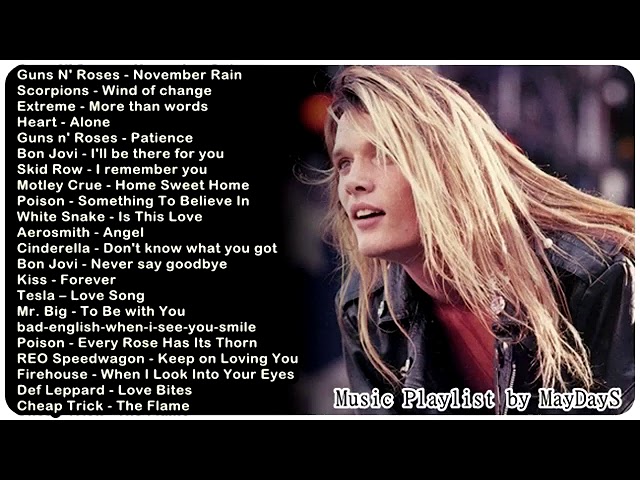
Hair bands from the 80s, a genre of rock music characterized by its flamboyant hairstyles, energetic stage performances, and catchy melodies, emerged as a dominant force in the music industry during the 1980s. Examples include Bon Jovi, Def Leppard, and Mtley Cre.
These bands gained immense popularity due to their accessible music, relatable lyrics, and charismatic stage presence. They played a significant role in shaping the musical landscape of the era and continue to be celebrated for their contributions to rock music.
This article delves into the history, impact, and legacy of hair bands from the 80s, exploring their cultural significance and enduring appeal.
Hair Bands from the 80s
Hair bands from the 80s, a notable genre in rock music, left a lasting impact on the music industry and popular culture. Several key aspects contribute to their enduring appeal.
- Fashion and Style
- Musicality
- Cultural Impact
- Lyrical Themes
- Performance Energy
The flamboyant hairstyles and fashion sense of hair bands became iconic, defining a generation's style. Their music, characterized by catchy melodies, guitar solos, and energetic rhythms, resonated with audiences. Hair bands also played a significant role in shaping the cultural landscape of the 1980s, influencing fashion, movies, and popular culture at large. The lyrics often explored themes of love, heartbreak, and rebellion, connecting with the emotions of teenagers and young adults. Finally, their high-energy live performances, marked by captivating stage presence, further solidified their popularity.
Fashion and Style
Fashion and style were integral components of hair bands from the 80s, contributing to their distinctive and unforgettable image. The flamboyant hairstyles, often teased and adorned with hairspray, became synonymous with the genre. The fashion choices of hair bands, characterized by tight jeans, colorful scarves, and leather accessories, further enhanced their visual appeal.
This unique fashion and style not only set hair bands apart from other music genres but also had a significant impact on popular culture. The iconic looks of bands like Bon Jovi, Def Leppard, and Mtley Cre influenced fashion trends, with many teenagers and young adults emulating their style. The connection between fashion and style and hair bands from the 80s was undeniable, with the visual presentation becoming an essential part of their overall appeal.
The practical applications of understanding the connection between fashion and style and hair bands from the 80s extend beyond the music industry. It highlights the importance of visual branding and how it can shape cultural perception. The enduring legacy of hair bands' fashion and style demonstrates the power of image in creating a lasting impact.
Musicality
Musicality, an essential aspect of hair bands from the 80s, encompasses the technical proficiency, compositional elements, and overall musical style that defined the genre. Several key facets contribute to the musicality of hair bands.
-
Instrumental Proficiency
Hair bands showcased exceptional instrumental proficiency, with guitar solos, keyboard riffs, and drum patterns often taking center stage.
-
Melodic Structures
The songs of hair bands were known for their catchy melodies, often featuring soaring vocals, harmonies, and memorable choruses.
-
Production Techniques
Hair bands utilized advanced production techniques for their albums, resulting in polished and larger-than-life sounds that filled stadiums and airwaves.
-
Anthemic Rock Style
Hair bands' music embodied an anthemic rock style, characterized by energetic rhythms, power chords, and uplifting lyrics that resonated with audiences.
These musical elements combined to create a distinctive and crowd-pleasing sound that defined hair bands from the 80s. Their focus on catchy melodies, instrumental prowess, and energetic performances ensured their lasting appeal and cemented their place in the history of rock music.
Cultural Impact
Hair bands from the 80s had a profound cultural impact, shaping popular culture and influencing fashion, movies, and youth culture at large. The flamboyant hairstyles, energetic performances, and catchy melodies of hair bands resonated with a generation of teenagers and young adults, creating a cultural phenomenon that transcended music.
The cultural impact of hair bands was evident in various aspects of society. Their fashion and style influenced clothing trends, with many young people emulating the teased hair, tight jeans, and colorful scarves of their favorite bands. Hair bands also made their mark on movies, with their music featured in soundtracks and their appearances in films. The cultural impact of hair bands extended beyond the music industry, becoming a symbol of a generation and a defining aspect of the 1980s.
Understanding the connection between cultural impact and hair bands from the 80s provides valuable insights into the power of music to shape culture. Hair bands tapped into the emotions and aspirations of a generation, creating a sense of community and belonging. Their music and style became symbols of freedom, rebellion, and individuality, leaving a lasting legacy on popular culture.
Lyrical Themes
Lyrical themes played a pivotal role in shaping the identity of hair bands from the 80s, resonating with the experiences, emotions, and aspirations of a generation. These themes were often characterized by a blend of heartfelt lyrics, personal storytelling, and universal messages.
-
Love and Relationships
Hair bands frequently explored themes of love, heartbreak, and the complexities of relationships. Their songs captured the emotions and experiences of young people navigating the ups and downs of romantic relationships.
-
Personal Struggles
The lyrics of hair bands also delved into personal struggles, such as overcoming adversity, facing inner demons, and finding strength in the face of challenges. These songs provided solace and inspiration to listeners who identified with the emotions expressed.
-
Party and Celebration
Hair bands celebrated the joys of life through upbeat and energetic lyrics about partying, having fun, and living in the moment. These songs became anthems for a generation and evoked a sense of carefree abandon and youthful exuberance.
-
Social Commentary
While less common, some hair bands incorporated social commentary into their lyrics, addressing issues such as poverty, inequality, and the challenges faced by marginalized communities. These songs demonstrated the bands' awareness of social issues and their desire to use their platform to raise awareness.
The lyrical themes of hair bands from the 80s connected with audiences on a deep level, providing a soundtrack for their lives and expressing their hopes, dreams, and struggles. These themes continue to resonate with listeners today, preserving the legacy of hair bands as a genre that captured the spirit of a generation.
Performance Energy
Performance energy played a crucial role in the identity of hair bands from the 80s, contributing to their enduring popularity. Their high-energy performances, characterized by captivating stage presence and energetic interactions with the audience, were an integral part of the hair band experience.
The connection between performance energy and hair bands from the 80s was reciprocal. The energetic music, with its driving rhythms and soaring melodies, fueled the band's performances. In turn, the high-energy performances enhanced the impact of the music, creating a powerful and immersive experience for the audience.
Real-life examples of performance energy in hair bands from the 80s abound. Bands like Bon Jovi, Def Leppard, and Mtley Cre were renowned for their energetic and engaging live shows. Freddie Mercury of Queen, with his charismatic stage presence and powerful vocals, exemplified the fusion of performance energy and musical talent.
Understanding the connection between performance energy and hair bands from the 80s offers practical insights into the importance of stage presence and audience engagement in the music industry. It highlights the power of connecting with the audience on an emotional level, creating a memorable and impactful live experience. This understanding can be applied not only to music but also to other fields where captivating performances and audience engagement are crucial for success.
Frequently Asked Questions
This FAQ section addresses common questions and clarifies aspects related to hair bands from the 80s, providing further insights into their history, impact, and legacy.
Question 1: What defines the "hair band" genre?
Hair bands from the 80s are characterized by their flamboyant hairstyles, energetic stage performances, catchy melodies, and anthemic rock style.
Question 2: Which bands are considered part of the hair band movement?
Notable hair bands include Bon Jovi, Def Leppard, Mtley Cre, Poison, Ratt, and Warrant, among others.
Question 3: What was the cultural impact of hair bands?
Hair bands influenced fashion trends, movies, and popular culture, becoming symbols of a generation and shaping the 1980s youth culture.
Question 4: What lyrical themes were common in hair band songs?
Hair band lyrics often explored themes of love, relationships, personal struggles, partying, and occasionally social commentary.
Question 5: Why were hair band performances so energetic?
The energetic performances of hair bands were fueled by their driving music and aimed to create a captivating and immersive experience for the audience.
Question 6: What is the legacy of hair bands from the 80s?
Hair bands left a lasting impact on the music industry and popular culture. Their music continues to be enjoyed today, and their fashion and style influence is still evident.
These FAQs provide a deeper understanding of the defining characteristics, cultural significance, and lasting legacy of hair bands from the 80s. Their music and style continue to resonate with audiences, ensuring their place in the history of rock music.
In the next section, we will explore the evolution of hair bands from the 80s to the present day, examining their influence on modern music and popular culture.
Tips for Understanding Hair Bands from the 80s
This section provides practical tips to enhance your knowledge and appreciation of hair bands from the 80s, exploring their music, style, and cultural impact.
Tip 1: Listen to the Music: Immerse yourself in the iconic songs and albums of hair bands to grasp their musical style and lyrical themes.
Tip 2: Watch Live Performances: Experience the energetic stage presence and crowd interaction of hair bands through live concert footage or videos.
Tip 3: Study the Fashion and Style: Examine the flamboyant hairstyles, colorful clothing, and accessories that defined the hair band aesthetic.
Tip 4: Explore the Cultural Context: Understand the social and economic factors that influenced the rise of hair bands and their impact on youth culture.
Tip 5: Read Band Biographies and Interviews: Gain insights into the personal stories, creative processes, and motivations of hair band members.
Tip 6: Attend Hair Band Tribute Shows: Witness the enduring popularity of hair bands by attending live performances by tribute bands that recreate the music and energy of the originals.
Tip 7: Explore Hair Band Documentaries: Watch documentaries and films that delve into the history, rise, and legacy of hair bands, providing a comprehensive understanding.
Tip 8: Analyze Music Videos: Study the visual storytelling, editing techniques, and overall aesthetics of hair band music videos to gain a deeper appreciation of their artistic expression.
By following these tips, you will develop a well-rounded understanding of hair bands from the 80s, their music, style, and cultural significance. This knowledge will enhance your appreciation for this iconic era in rock music.
The next section of this article will explore the legacy of hair bands, examining their lasting impact on music and popular culture.
Conclusion
The exploration of hair bands from the 80s in this article reveals their significant contributions to music, fashion, and youth culture. Their distinct musical style, characterized by energetic rhythms, soaring melodies, and instrumental proficiency, resonated with a generation of fans. The flamboyant hairstyles and fashion choices of these bands became iconic, defining a cultural aesthetic that continues to influence popular culture.
The hair band phenomenon transcended music, becoming a symbol of youthful rebellion and excess. Their energetic live performances, captivating stage presence, and relatable lyrics created a sense of community and belonging for their fans. The cultural impact of hair bands extended beyond the 1980s, leaving a lasting legacy that continues to inspire and entertain.


No comments:
Post a Comment